On the afternoon of November 21, the 231st session of the Boya Forum, hosted by the Undergraduate School and organized by the School of Information Management, Central China Normal University (CCNU), was held in the Lecture Hall on the first floor of the South Lake Comprehensive Building at CCNU. Professor Li Yuelin, Assistant to the President, Director of the Teaching Affairs Office, and Dean of the School of Information and Communication, NKU, delivered a lecture titled An Academic Life Built on Information, Technology, and Users. The event was attended by Li Hongfei, Member of the Standing Committee of the Party Committee and Vice President of CCNU, leaders from CCNU School of Information Management, and more than 300 faculty and student representatives from both within and outside CCNU. The forum was moderated by Lu Xinyuan, Vice Dean of the CCNU Undergraduate School.
Professor Li Yuelin's report centered on three main areas: health information quality research, information system evaluation, and information behavior studies. Regarding information quality research, she emphasized the quality of health-related information and government information disclosure. Addressing information quality issues and public demand gaps in scenarios such as public health emergencies and social media communication, she developed public-perspective evaluation models. These models are designed to improve assessment systems and provide solid theoretical support for information governance in the implementation of national strategies such as Healthy China. In the field of information retrieval systems and digital library evaluation, Professor Li tackled scientific challenges in interactive information retrieval systems from the perspectives of usability, user experience, and task design. Innovatively, she developed a user–system interaction model across the three dimensions of information, technology, and task, and introduced a digital library interaction evaluation scale comprising seven dimensions and 45 indicators, providing the industry with an assessment tool that is both rigorous and practical. On information behavior research, she adopted a context-driven, problem-centered approach, focusing on specific user groups. Examining conceptual theory, interactive behavior, and diverse information behavior, she explored patterns of information behavior and influencing factors, achieving breakthroughs in both academic depth and practical value.
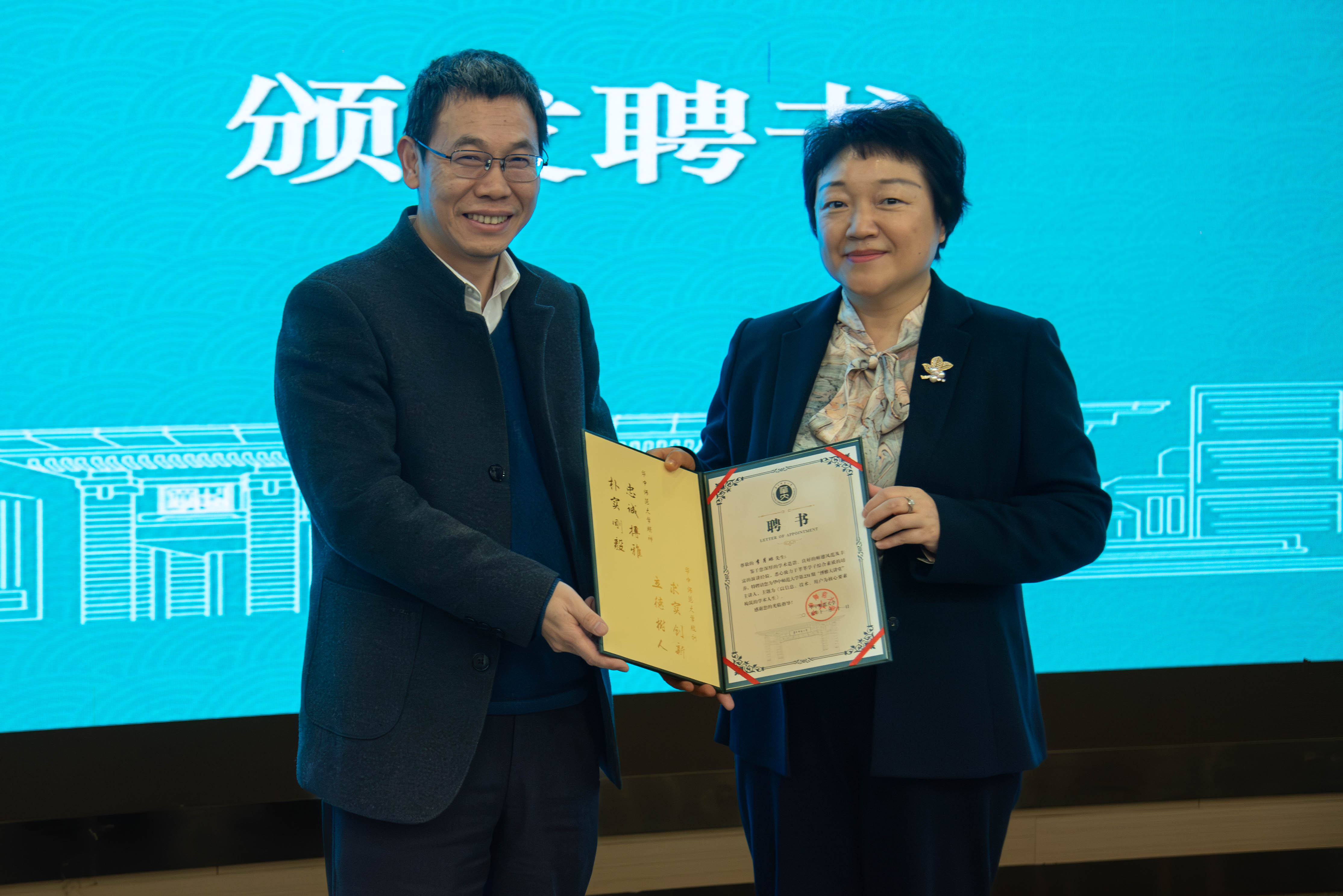
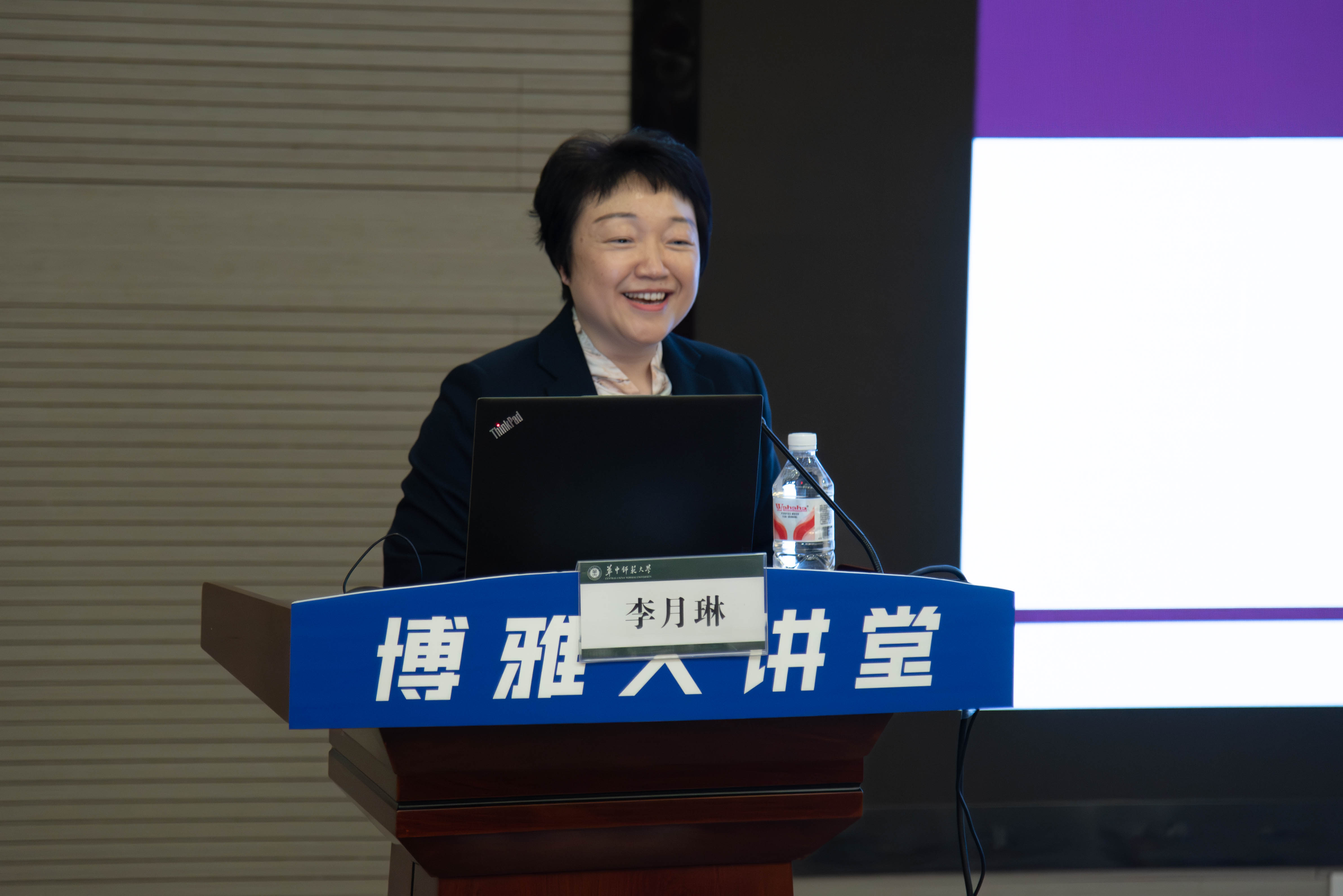
During the lively Q&A session, students and faculty actively asked questions on topics such as research direction and enhancing professional learning. Professor Li responded thoughtfully, emphasizing that research topics should be grounded in practice and responsive to real-world concerns. She encouraged students to find the intersection of societal needs and personal interests through extensive reading and in-depth discussions. For underclassmen, she emphasized the importance of building a solid disciplinary foundation, mastering core concepts, and developing a well-structured and comprehensive professional knowledge system by studying classical literature and cutting-edge research.
The session concluded with warm applause from the audience. Participants eagerly expressed that the lecture offered both academic rigor and practical relevance, enabling them to gain a deeper understanding of the humanistic orientation and academic essence of the user-centered approach.