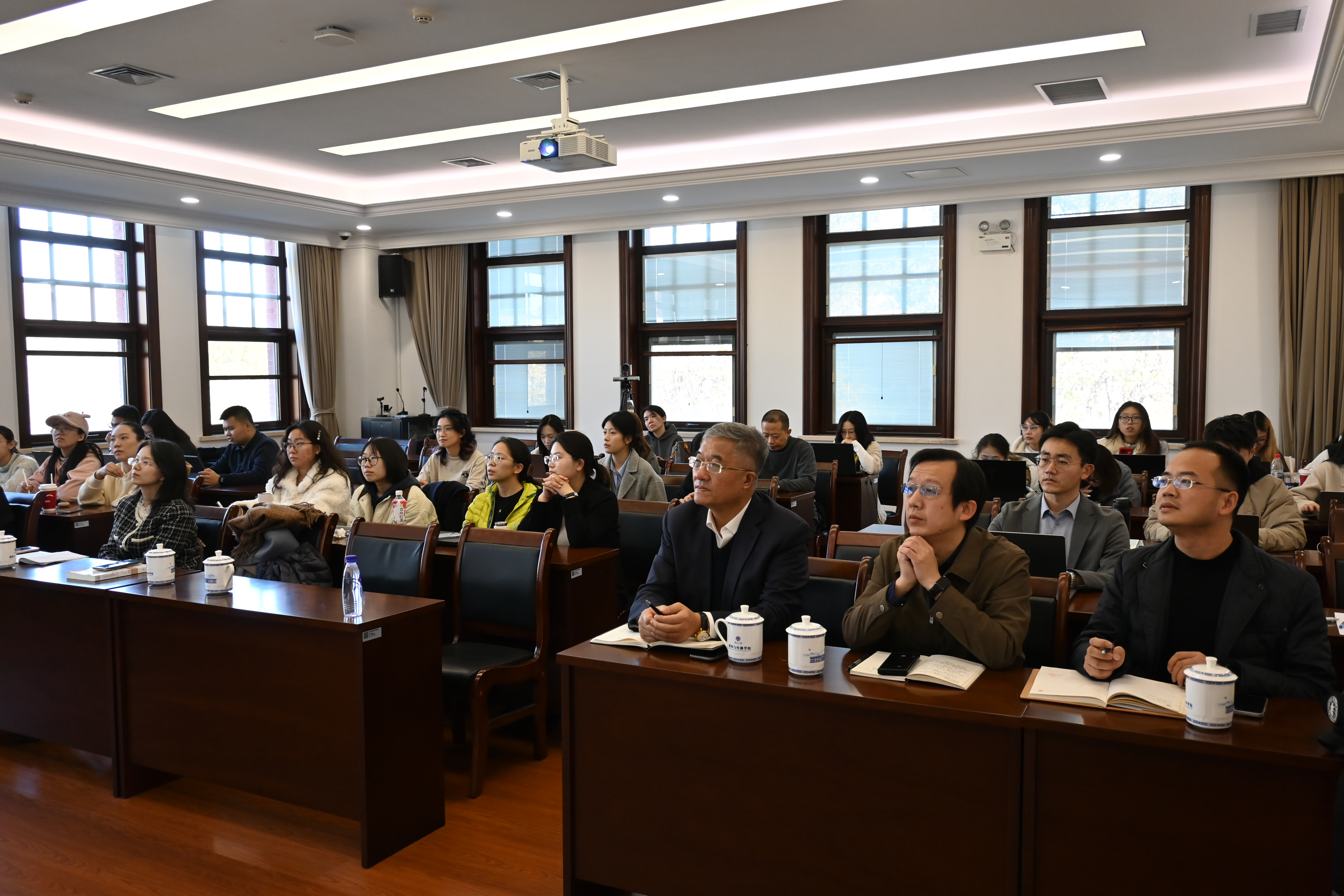
On November 13, the 2025 NKU Publishing Think Tank Research Exchange Symposium was held at Xiushan Hall. Distinguished guests delivered remarks in various sessions of the event. The speakers included Li Yuelin, Assistant to the President and Dean of the School of Information and Communication, NKU; Ke Ping, Professor of the School of Information and Communication, NKU; Wang Zhuang, Professor of the School of International Politics and Communication, Beijing Language and Culture University; Associate Professor Yu Jun, Deputy Head of the Department of Cultural Industry Management at the School of Public Affairs, Zhejiang Gongshang University; Yu Mengli, Associate Professor of the School of Information and Communication, NKU; Professor Qi Dexiang, Executive Vice Dean of the NKU Publishing Research Institute; and Professor Fan Zhenjia, Vice Dean of the School of Information and Communication, NKU.
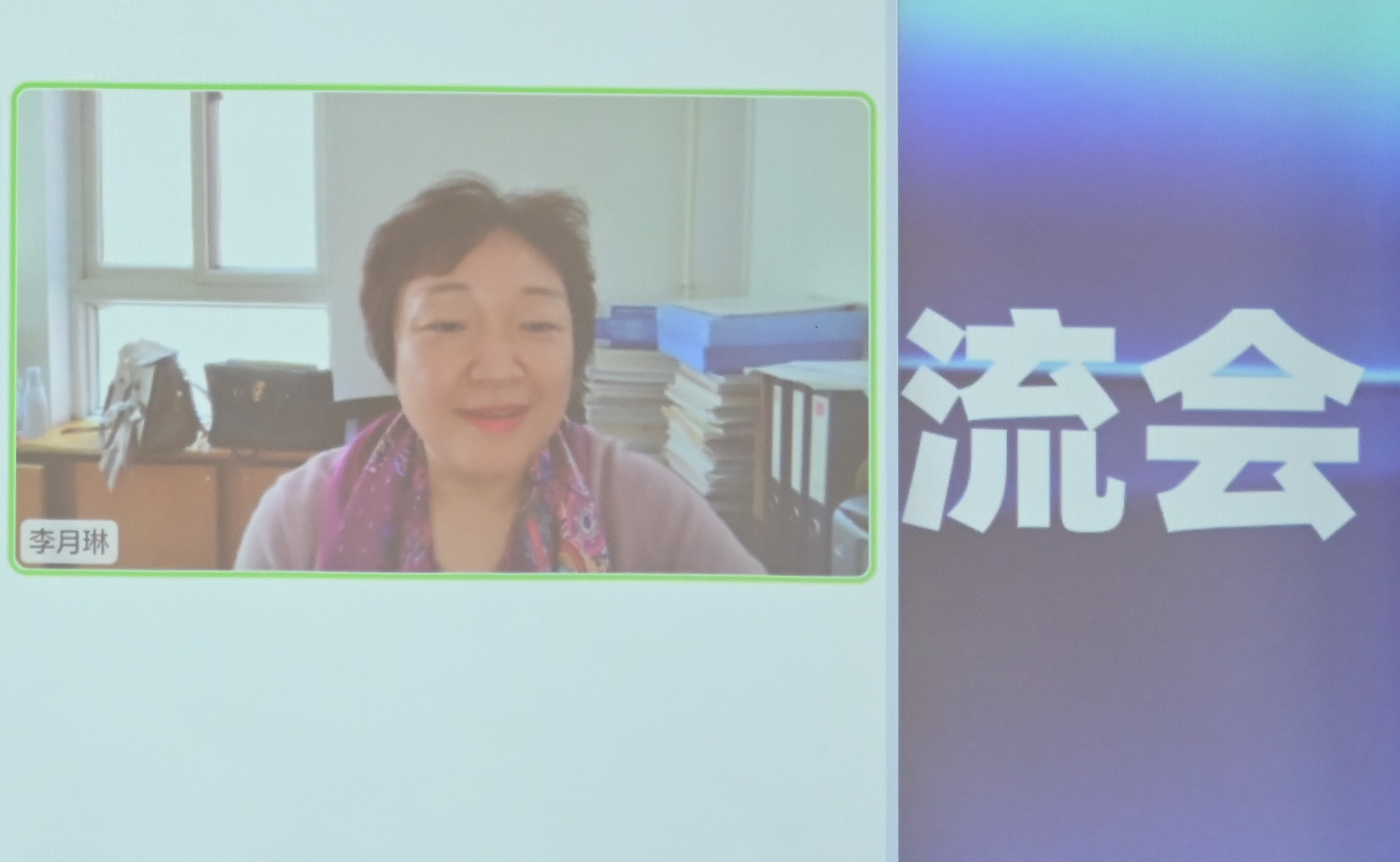
Dean Li Yuelin addressed the symposium, expressing her gratitude to the four invited speakers and warmly welcoming all faculty and students attending the event. She noted that the NKU Publishing Research Institute focuses on major national strategic needs and industry development issues, carrying out a series of policy advisory studies with notable outcomes. These efforts have laid a solid foundation for long-term development. She expressed the hope that more faculty members and students would join the publishing think tank research to achieve new breakthroughs.
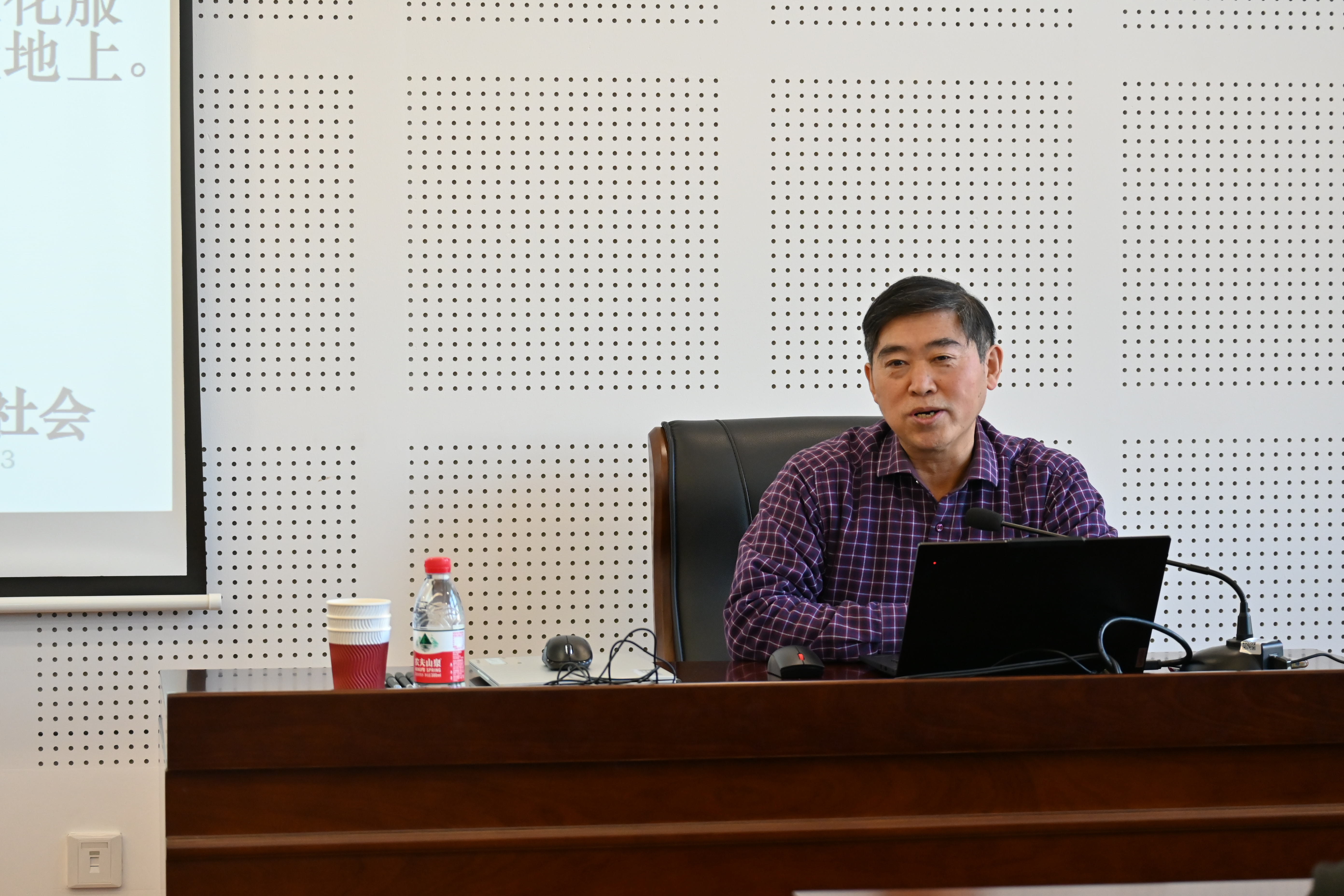
During the symposium, Professor Ke Ping delivered a keynote speech titled Think Tank Practice and Think Tank Research: A Learning and Work Report. He shared his practical experiences and insights around three questions: why university teachers should attach importance to think tank work, how they can participate, and what they should pay attention to in the process. He elaborated on the strategic positioning of think tanks - creating value and serving society - from the perspectives of talent cultivation, scientific research, and social service. Using five policy advisory projects as illustrative cases, Professor Ke emphasized that teachers and students engaging in think tank research should follow five principles: first, adhere to the professional role of scholars and serve as decision-making advisors; second, engage in social practice to gain management experience; third, focus on major issues and actively voice their opinions; fourth, track the implementation status and give feedback; and fifth, publish think tank research outputs.
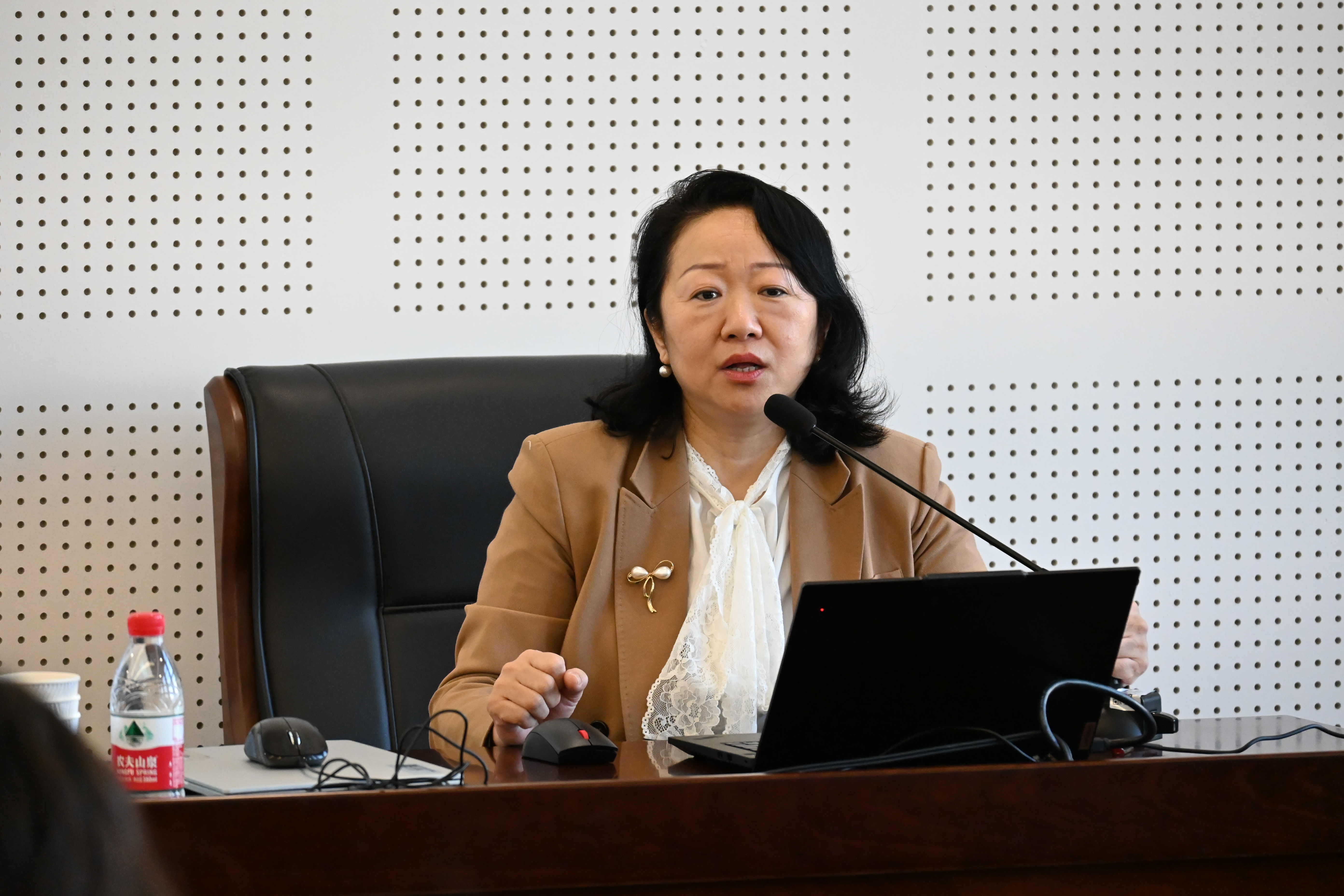
Professor Wang Zhuang delivered a keynote speech titled Evidence-Based Investigation and Substantive Research: Insights on Writing Publishing Think Tank Reports. She noted that think tank research reports differ significantly from academic papers, as the core value of think tank research reports lies in providing advisory support and guiding decision-making for the nation and the industry. Professor Wang explained how to write publishing think tank research reports in terms of topic selection and report structure. She emphasized that topic selection should follow a decision-making approach, focusing on solving problems with foresight and value-driven insights. She proposed four pathways: interpreting national strategies and policies from the top down, identifying industry pain points and emerging practices from the bottom up, drawing on international experience from the outside in to address global challenges, and tracking technological and paradigm shifts from the inside out. Professor Wang also detailed the core components, main content, and routes for translating think tank research findings into practice.
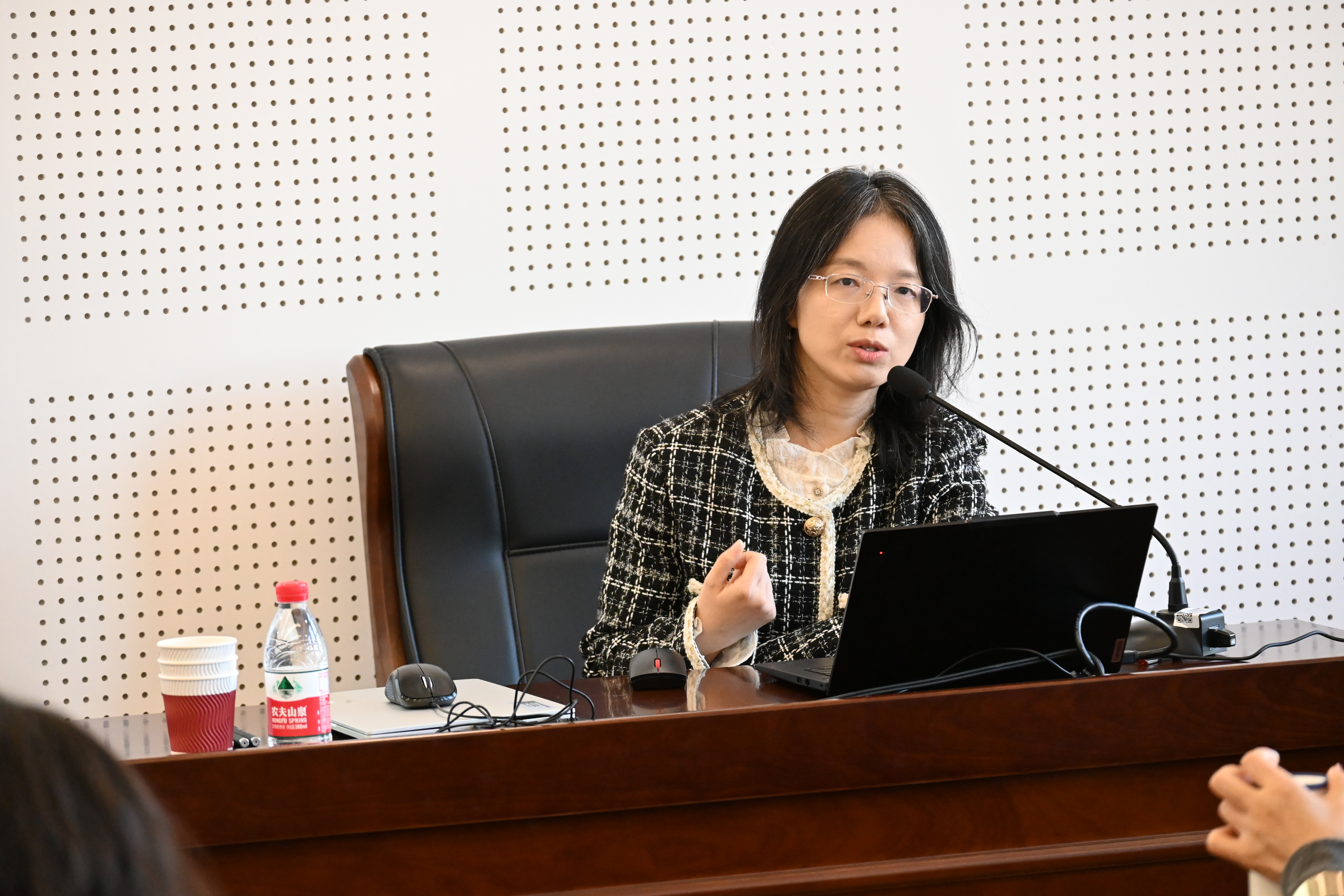
Associate Professor Yu Jun delivered a keynote speech titled Two Approaches to Policy Advisory Studies: Dual Reflections Based on Academic Inquiry and Industry Practice. She outlined the logic of policy advisory studies - identifying problems, applying scientific methods, and generating actionable outcomes - to produce precise and feasible policy recommendations. She proposed two practical approaches: first, starting from academic research to transform academic papers into policy advisory reports; and second, beginning with industry practice to develop countermeasures and suggestions for real-world problems. The two approaches can create a virtuous cycle featuring supply–demand alignment, value co-creation, and knowledge circulation, offering professional perspectives for government while enabling mutual reinforcement between scholarship and practice.
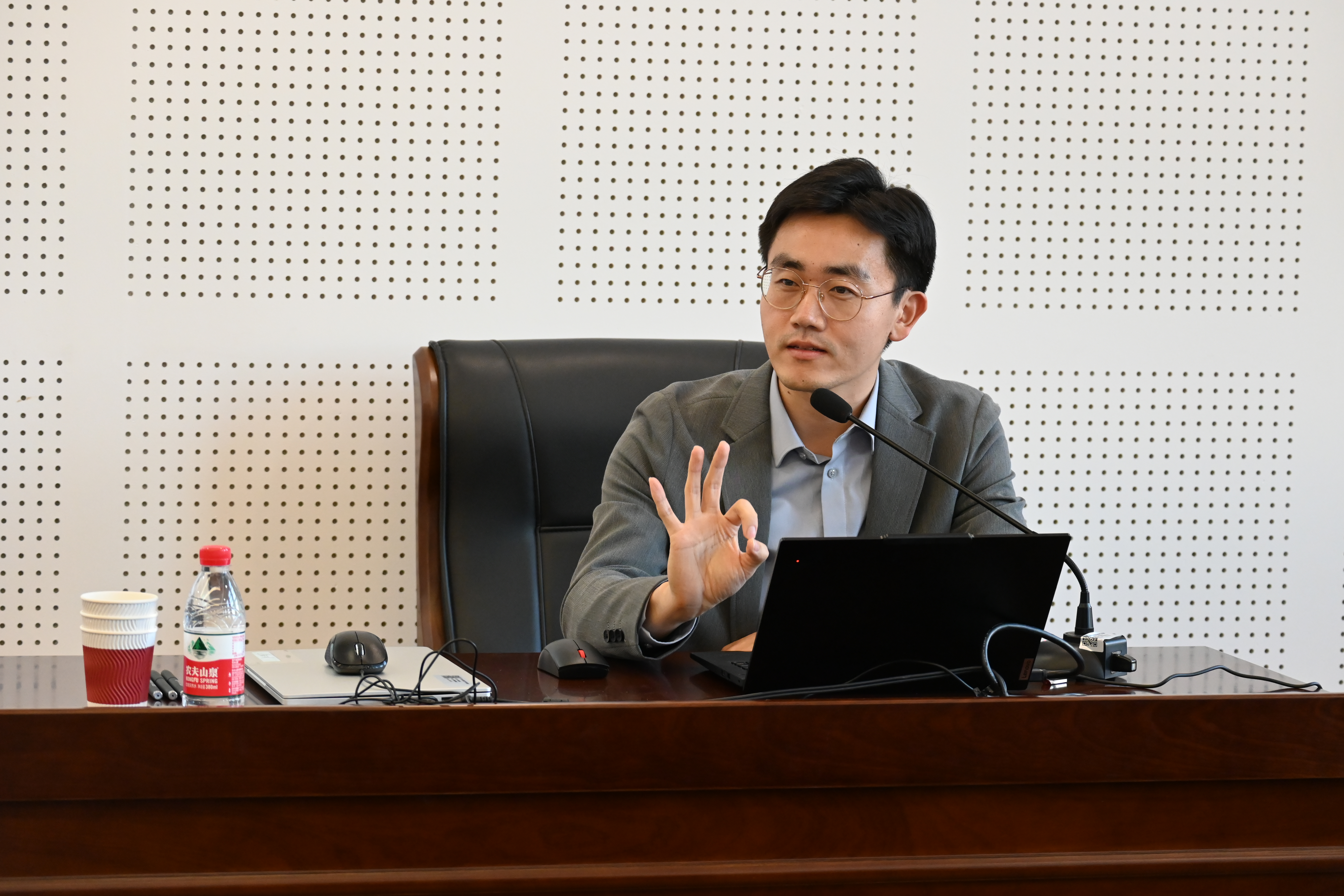
Associate Professor Yu Mengli delivered a keynote speech titled Norms and Boundaries of AI Agent Applications in the Publishing Industry. He outlined three directions for the sector's digital and intelligent transformation: workflow redesign, domain-specific model training, and innovation in publishing formats. He also introduced practical applications of current large language models in scenarios such as proofreading and creative assistance. Drawing on theories of technological empowerment, value chains, and human–AI collaboration, he explained the underlying logic of AI agent applications and proposed six principles for human–AI collaboration in the publishing industry.
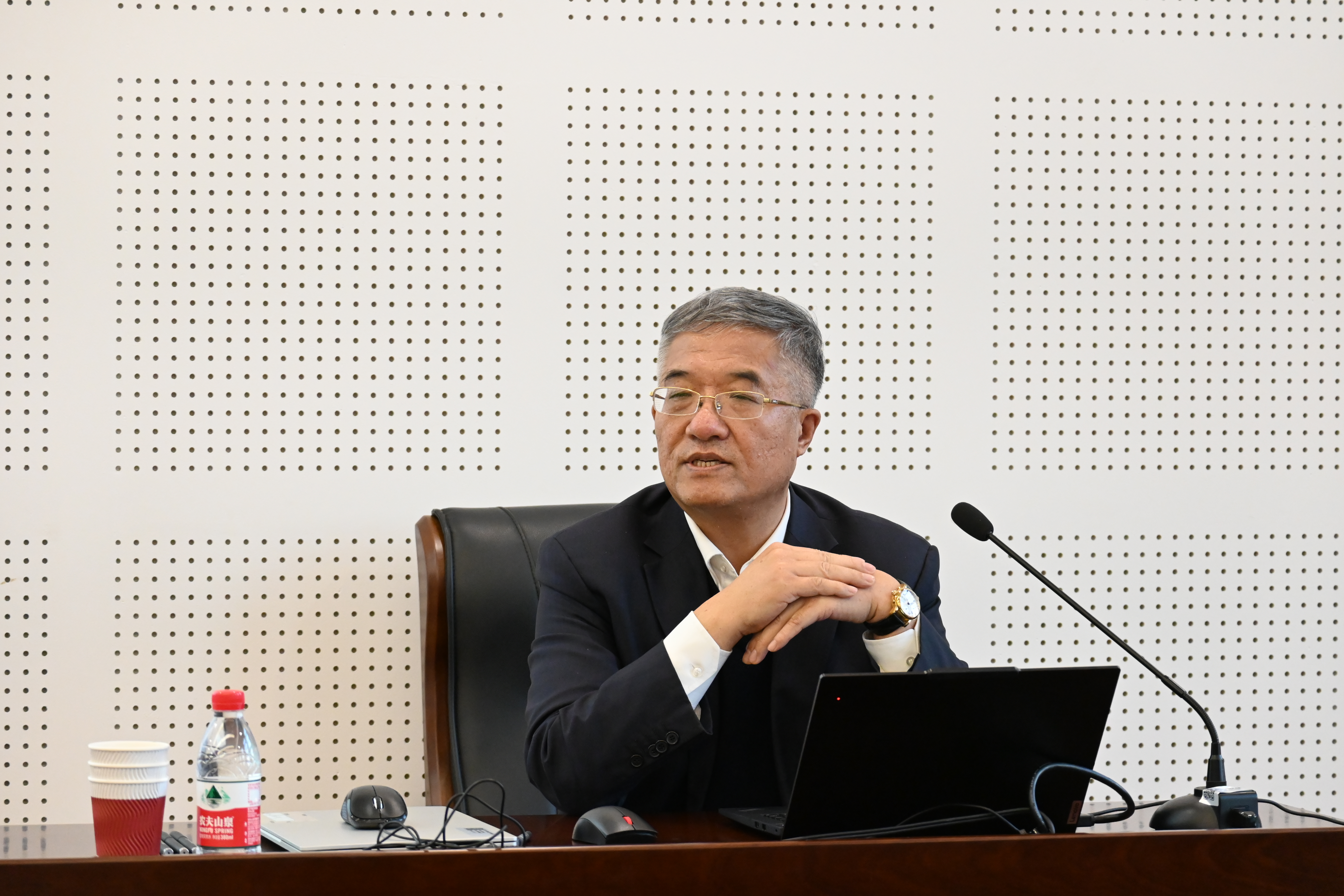
Professor Qi Dexiang reported on the progress of the NKU Publishing Think Tank from July 2023 to October 2025, presenting its development roadmap, operational mechanisms, major achievements, and the results commercialization. Since its establishment, the NKU Publishing Research Institute has actively promoted the coordinated development of publishing think tank construction, publishing discipline development, and talent cultivation. By forming efficient research teams combining internal and external experts and deepening strategic cooperation with Tianjin Publishing and Media Group, the Institute has conducted a series of studies on key research topics and achieved notable results. As of October 2025, the Institute has submitted 32 policy advisory reports and seven research reports, 10 of which have been included in the Compilation of Publishing Think Tank Achievements. It has also promoted the think tank results commercialization through industry talent training programs and participation in topic planning for publishing enterprises.

In the concluding session, Vice Dean Fan Zhenjia delivered a summary speech, expressing his sincere appreciation to all the guests for their insightful contributions. He emphasized that the NKU Publishing Research Institute should further strengthen think tank development by planning from a strategic, holistic perspective and striving to build a distinctive Nankai brand. He stressed the need to advance organized scientific research, promote the effective application of research outcomes, and ultimately contribute to the high-quality development of China's socio-economic and cultural sectors.
The symposium was moderated by Associate Professor Ma Ruijie, Vice Dean of the NKU Publishing Research Institute and Director of the Publishing and Communication Teaching and Research Office at the School of Information and Communication, NKU. More than 40 faculty members and students, including Professor Chen Peng, Vice Dean of School of Information and Communication, NKU, and Professor Liu Zhongbo, Vice Dean of the NKU Publishing Research Institute, attended the event.