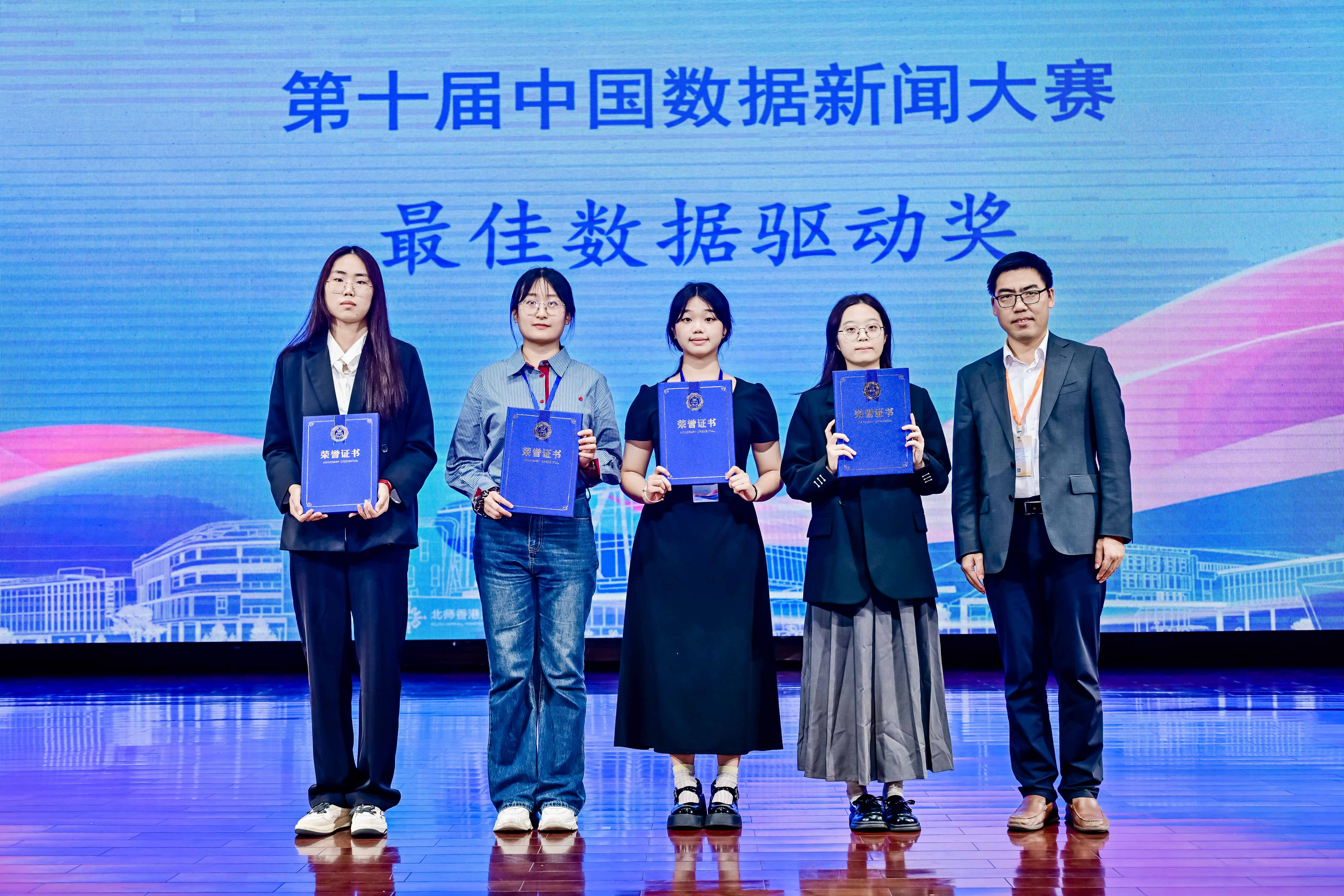
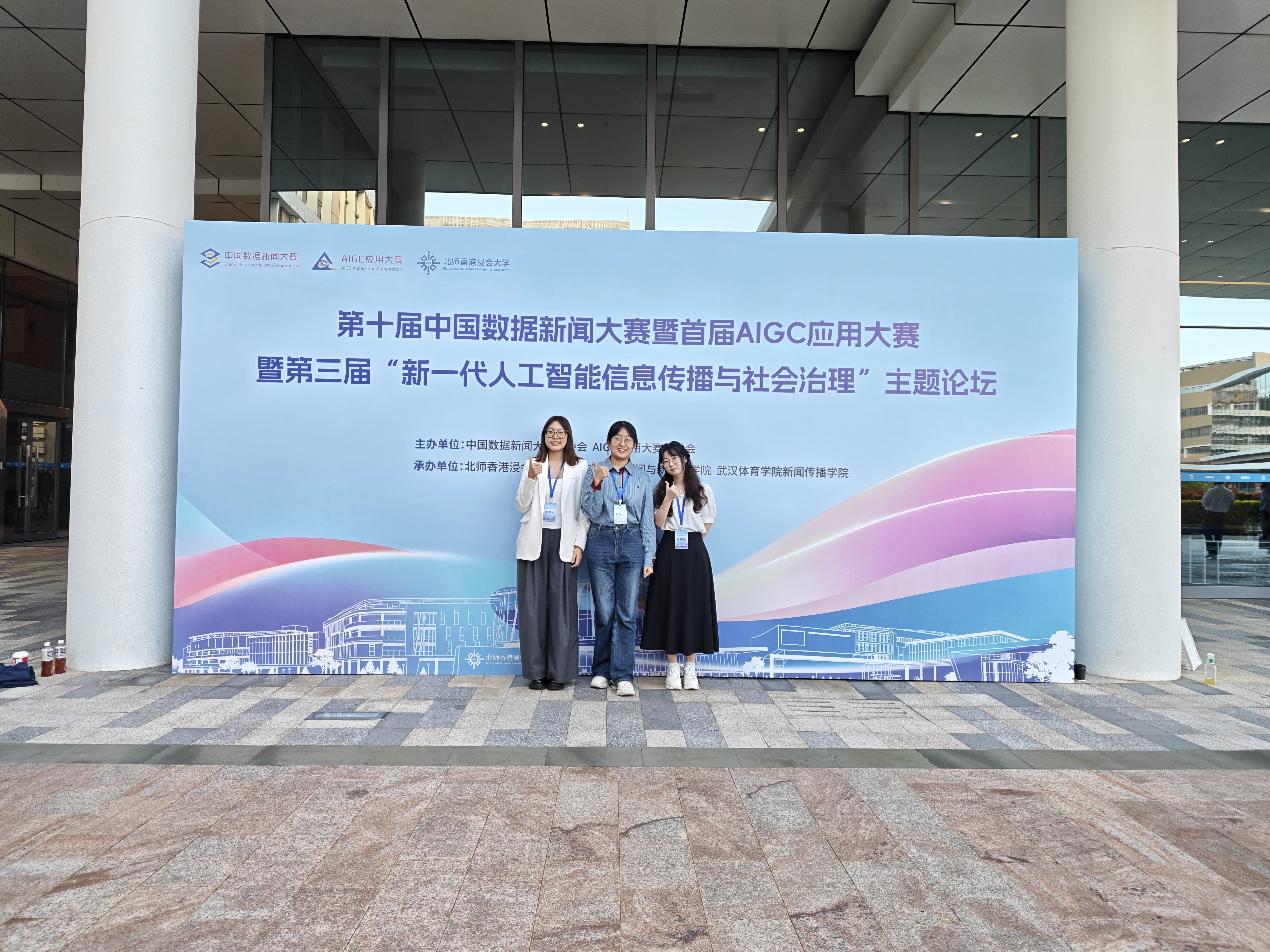
Recently, the 10th China Data Journalism Competition and the 1st AIGC Application Competition was held in Zhuhai. This year's competition attracted around 5500 participants from more than 1400 teams across over 300 universities nationwide. Competing alongside students from prestigious institutions such as Renmin University of China, Fudan University, and the Communication University of China, our students delivered outstanding results, securing one first prize, two second prizes, two third prizes, and the Best Data-Driven Award.
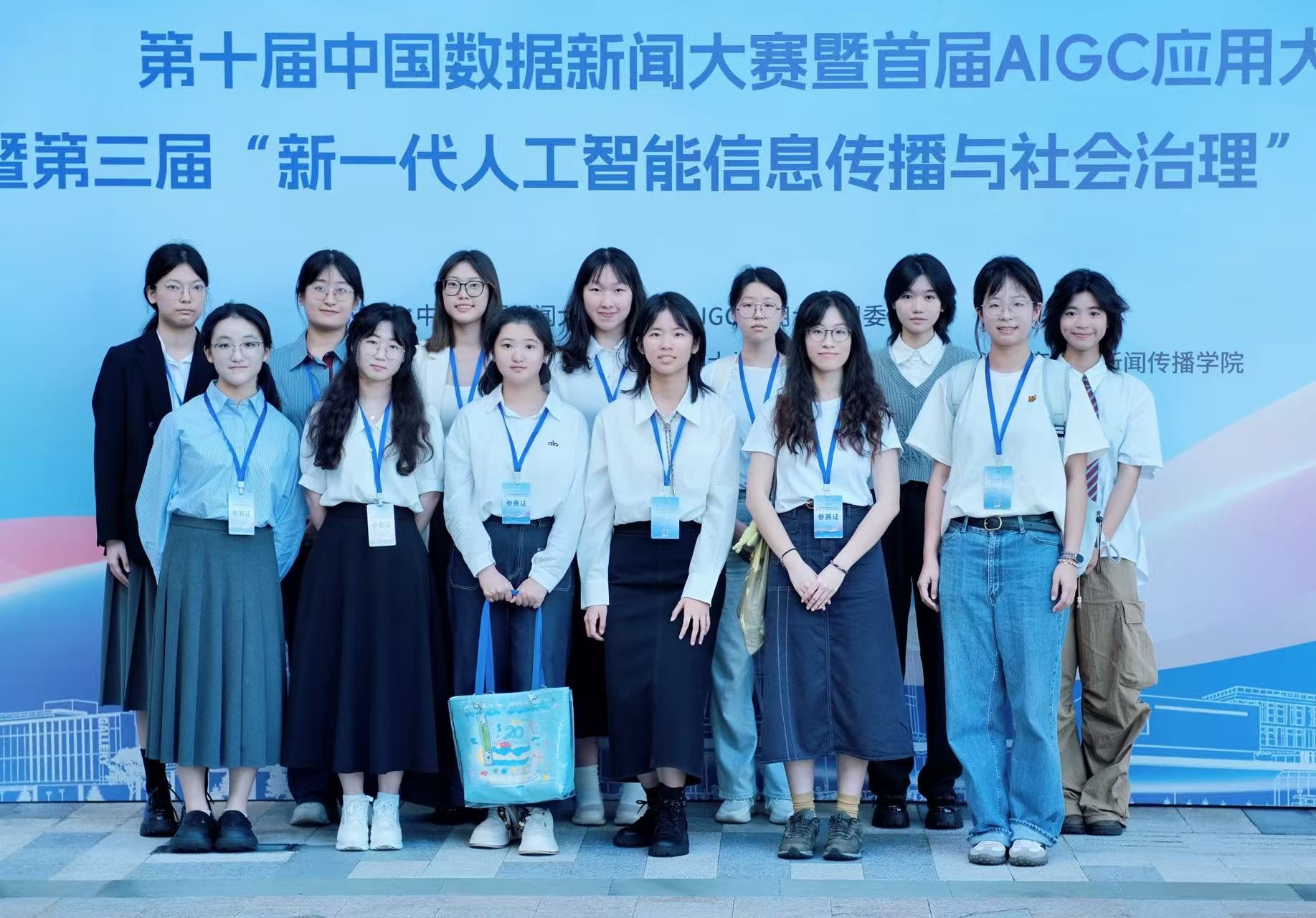
Awarded Teams and Projects
National First Prize
Our Home: Can It Grow Old With Us?
Authors: Zheng Xiaoshi, Wu Jin, Zhang Yue, Gong Jiayi
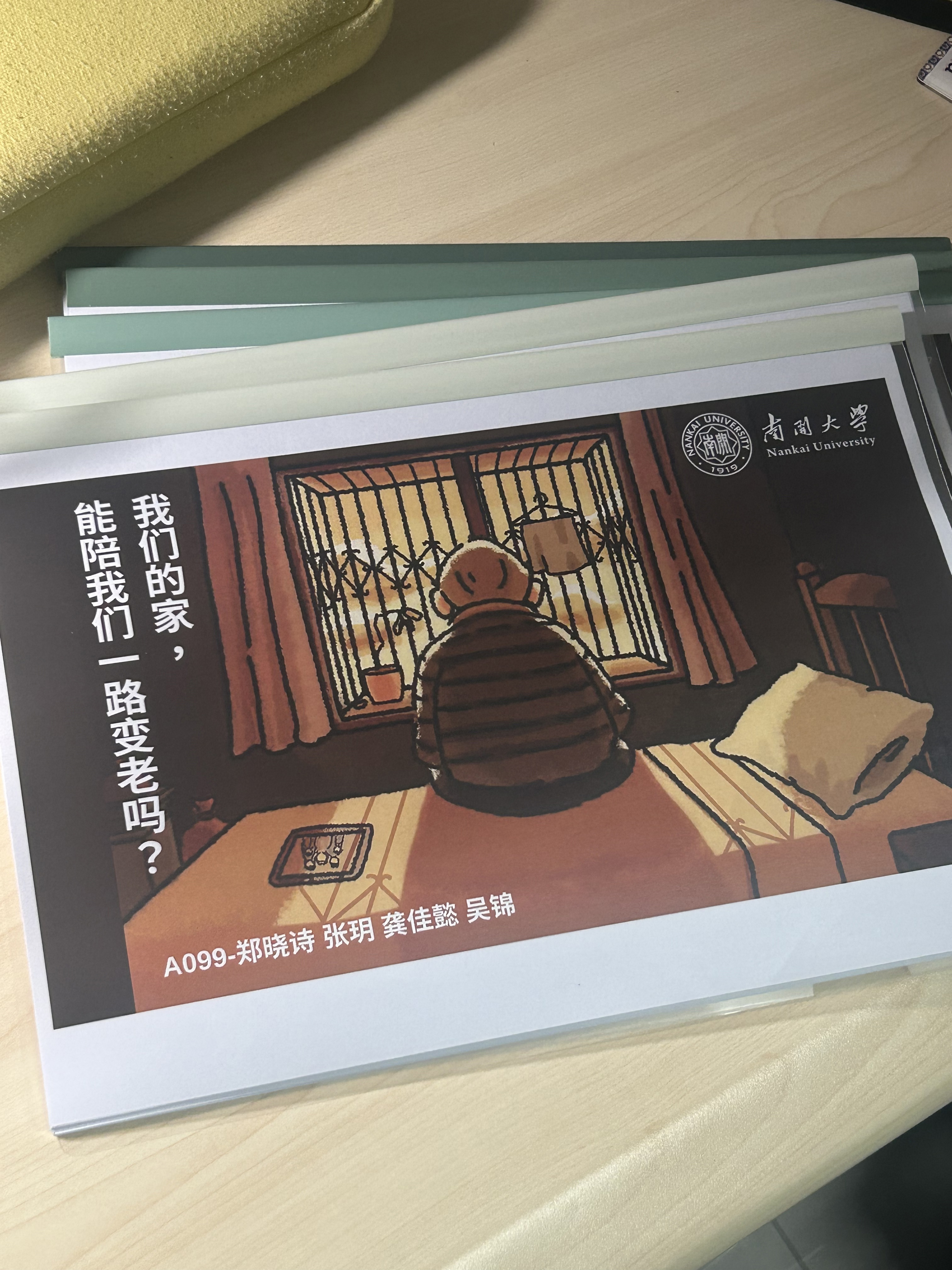
The work focuses on the key social issue of aging-friendly initiatives, and adopts a comic-style narrative to connect plotlines and naturally embed core data into the visuals. It offers a multi-dimensional perspective on the current state and social needs of age-friendly infrastructure. With its clear thematic significance and innovative approach, the work stood out in the national data journalism competition.
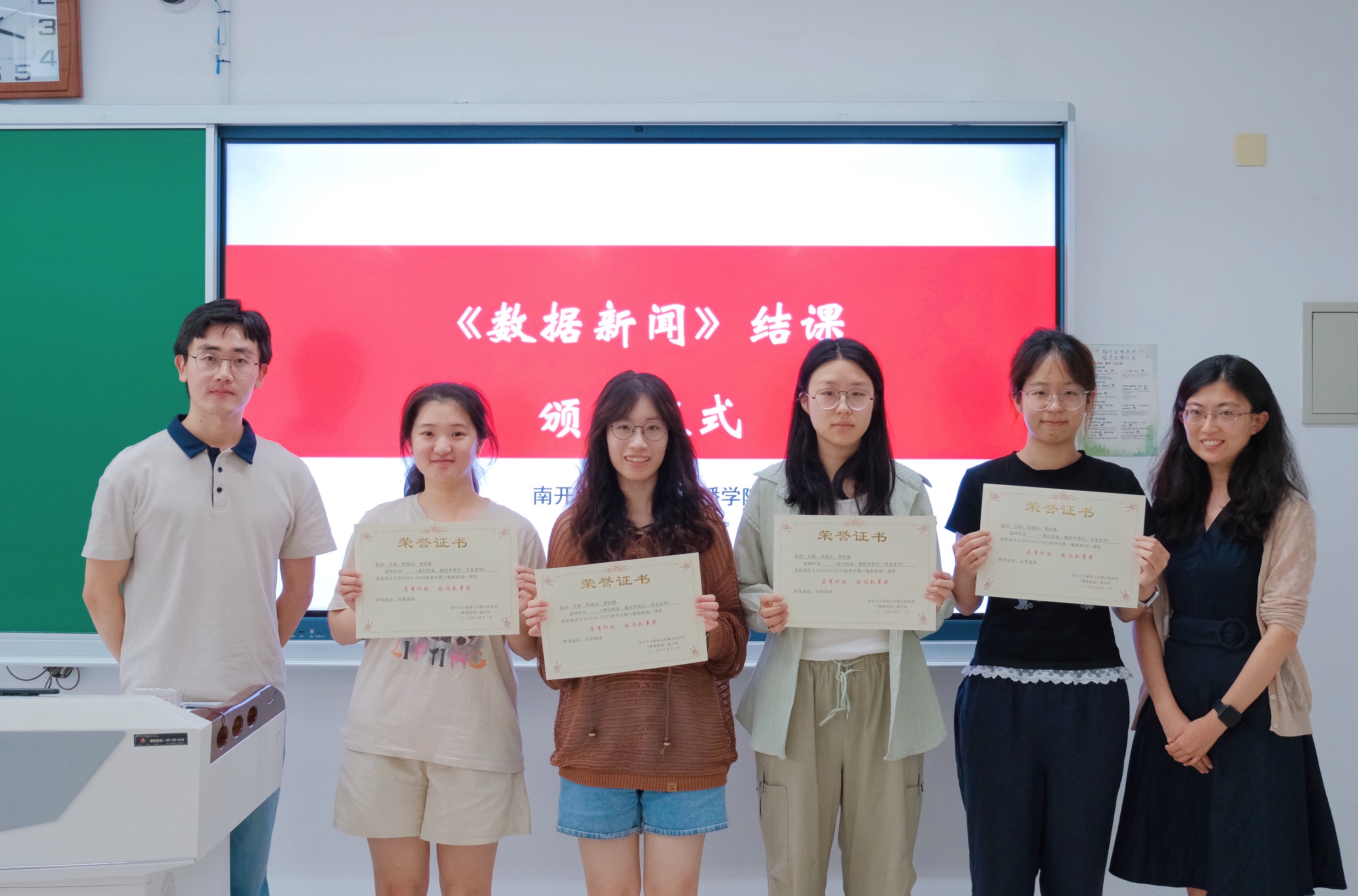
Winning the National First Prize, first of all, I want to thank to the dedicated guidance of our mentors, Yu Mengli and Li Weijia, as well as the patient support of my teammates through every round of revision, said team leader Zheng Xiaoshi. As a team new to data journalism, they initially faced confusion over topic selection and setbacks in data collection, which often left them frustrated. However, under their mentors' guidance, the team gradually found their direction and ultimately settled on the topic of age-friendly development - a theme aligned with China's rapidly aging population and a pressing public concern. The team broke from traditional data-presentation formats by combining comics with data and using narrative to link different analytical perspectives - an approach that became a focal point during the final presentation.
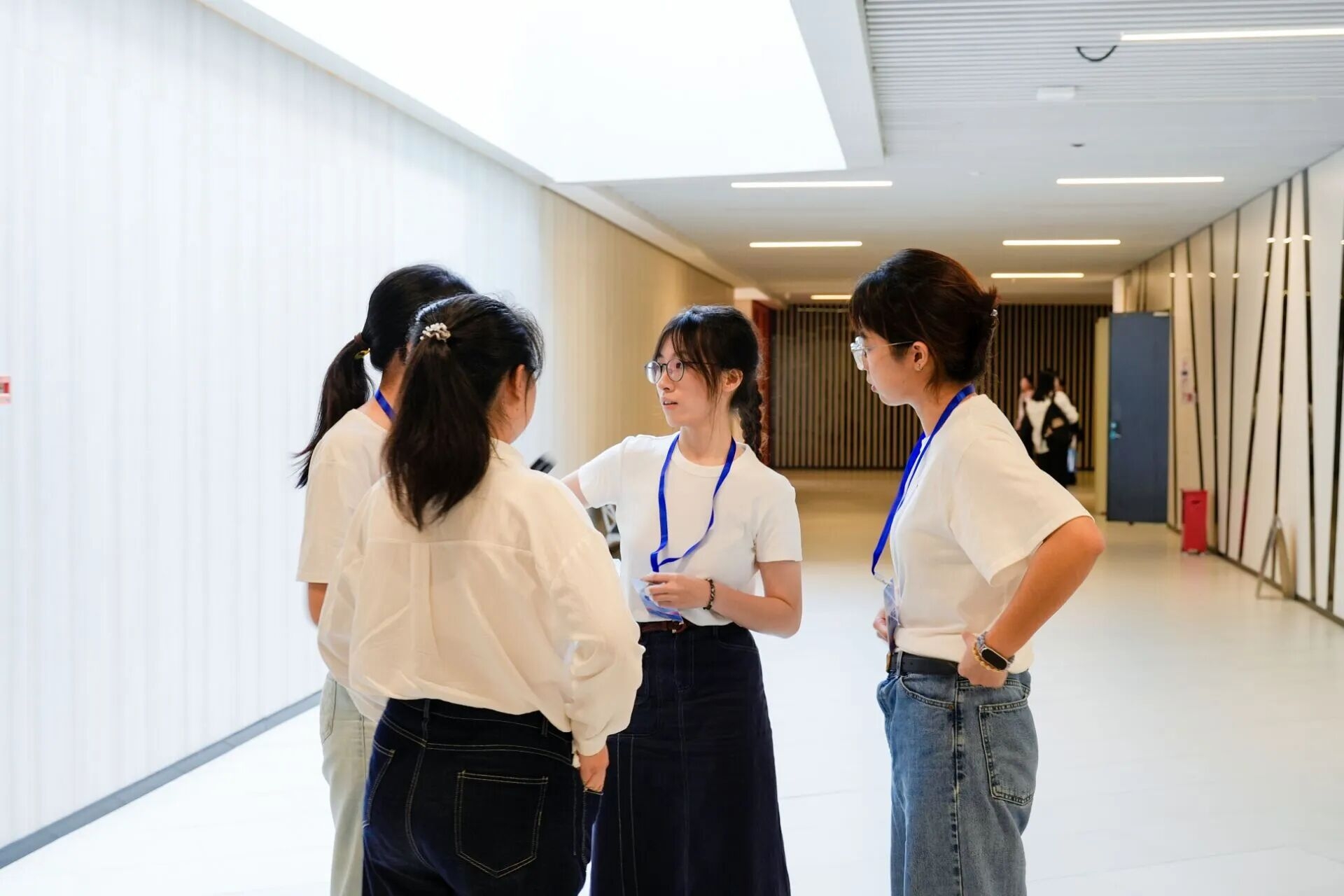
At the finals, the highly competitive environment made the team both nervous and excited. The experience significantly strengthened their professional capabilities and teamwork. They also sincerely recommend the Data Journalism course to fellow students: We believe everyone can gain unique growth and insights through continuous exploration and practice.
Best Data-Driven Award & National Second Prize
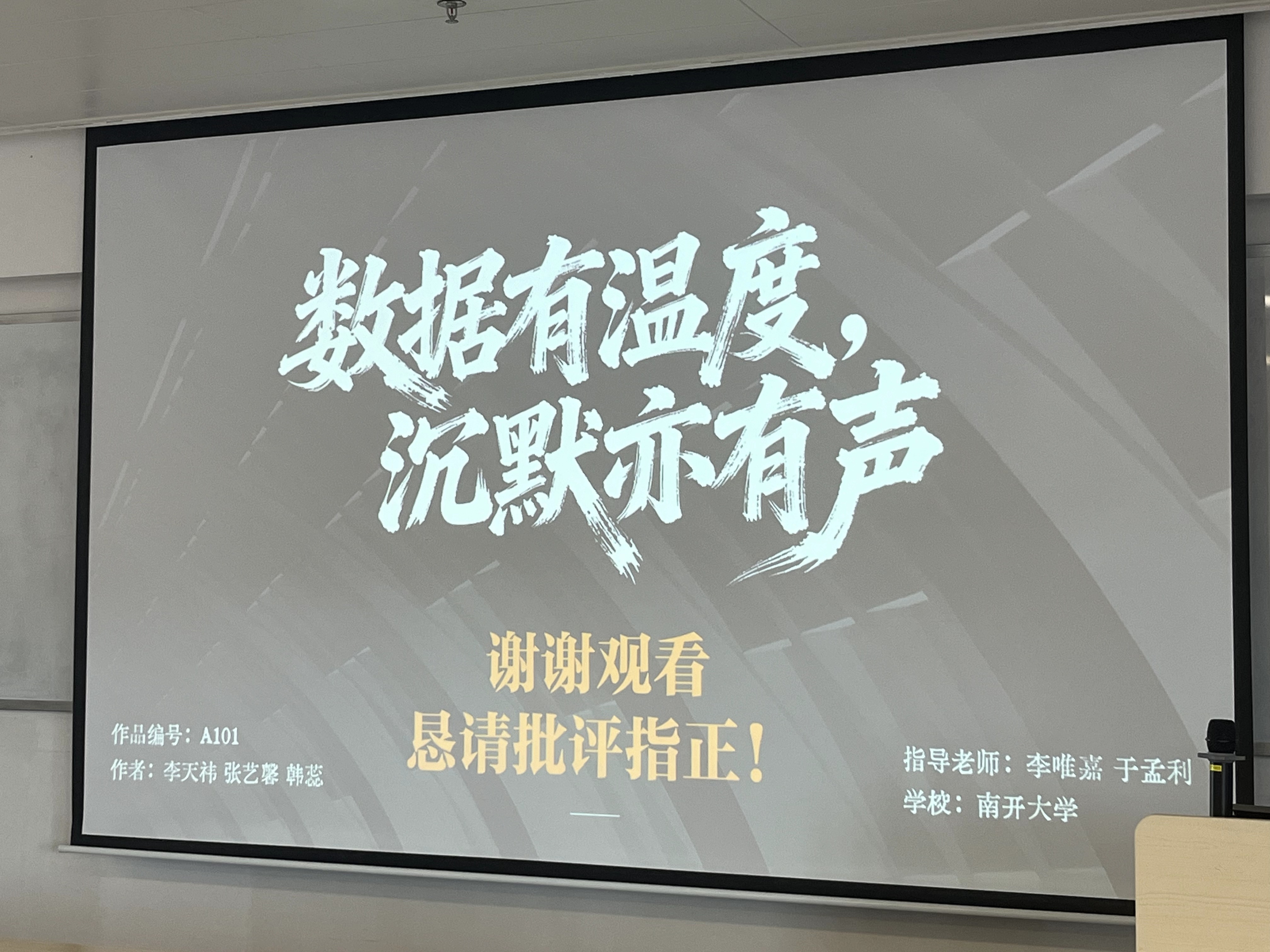
Giving Voice to Silence: Data Insights into the 27.8 Million Facing the 'Silent Plight'
Authors: Li Tianyi, Zhang Yixin, Han Rui
The work focuses on the silence plight faced by China's 27.8 million people with hearing impairments, aiming to break stereotypes and reveal the diverse realities of this group. It also seeks to draw broader attention to both the progress and the gaps in accessibility development.
Team leader Li Tianyi said: We are truly grateful for our mentor's months of guidance, and for the collective effort and perseverance of all three team members.
The work is the result of eight months of dedicated refinement - from preparation in March to the final push for the national finals in November, with each step embodying the collective dedication of both the team and their mentor. The journey was far from smooth. The preparation process was full of challenges. Our initial topic eventually reached a point where, due to insurmountable data-processing issues, it simply could not proceed. We then made a decisive switch to a new topic. To stay on schedule, we used every minute to rebuild the framework, collect data, and complete the visualizations, Li Tianyi recalled.
Participating in the competition brought the team substantial gains. Our growth came in two main areas. Technically, we became more proficient in data scraping, cleaning, collection, organization, and visualization. In terms of perspective, we gained a deeper understanding of the real living conditions of people with hearing impairments - for example, variations in sign language across regions and the significant efforts China has made to ensure access to higher education for this community, Li Tianyi remarked.
National Second Prize
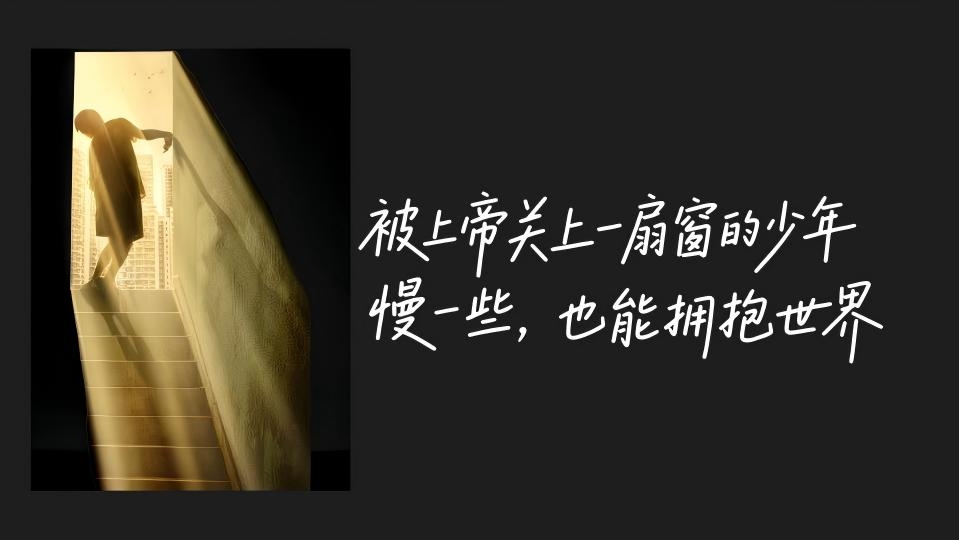
A Boy's Window Closed by God: Embracing the World at a Slower Pace
Authors: Yang Xi, Qiu Tian, Huang Maoxiao, Cai Dingyi, Liu Xuyang
The work uses the film Big World as an entry point to focus on China's approximately six million people living with cerebral palsy. The work unfolds through a dual narrative structure: the data thread outlines clinical symptoms, family pressures, and the challenges patients face in education, employment, and relationships, while the story thread draws on eight years of posts kept by a patient named Yangyang on his WeChat public account. Both threads converge under the unifying theme of slowness - walking slowly, speaking slowly, learning slowly, yet embracing the world with courage. By integrating data from medical journals, authoritative reports, and social media, and utilizing techniques such as web scraping and sentiment analysis, the work aims to improve public understanding of cerebral palsy, dispel misconceptions and stigma, and present the complex and genuine realities of patients' lives.
Team leader Yang Xi admitted candidly, Our work feels more like that of a diligent, well-behaved student than a dazzling star. We were surprised and delighted to receive the second prize. We are grateful for the judges' recognition, our mentors' long-term guidance, and our own persistence. We hope to go further in data-journalism creation.
The work was closely tied to the Data Journalism course offered in the 2025 spring semester. The students followed a step-by-step process - finalizing the topic, building the framework, uncovering the narrative, and implementing visualizations - learning through practicing along the way. Throughout the course, the team presented their progress in class every few weeks, incorporating instructors' feedback to refine their work. During the summer, the team further refined details to perfect the work. Facing data scarcity, disciplinary barriers, and technical limitations, the team collected medical literature extensively, scraped nearly a thousand data points from platforms such as Zhihu, RedNote, and the China Disabled Persons' Federation Employment Service Platform, translated medical terminology into accessible language, and consulted physicians from top-tier hospitals, successfully breaking through the bottlenecks.
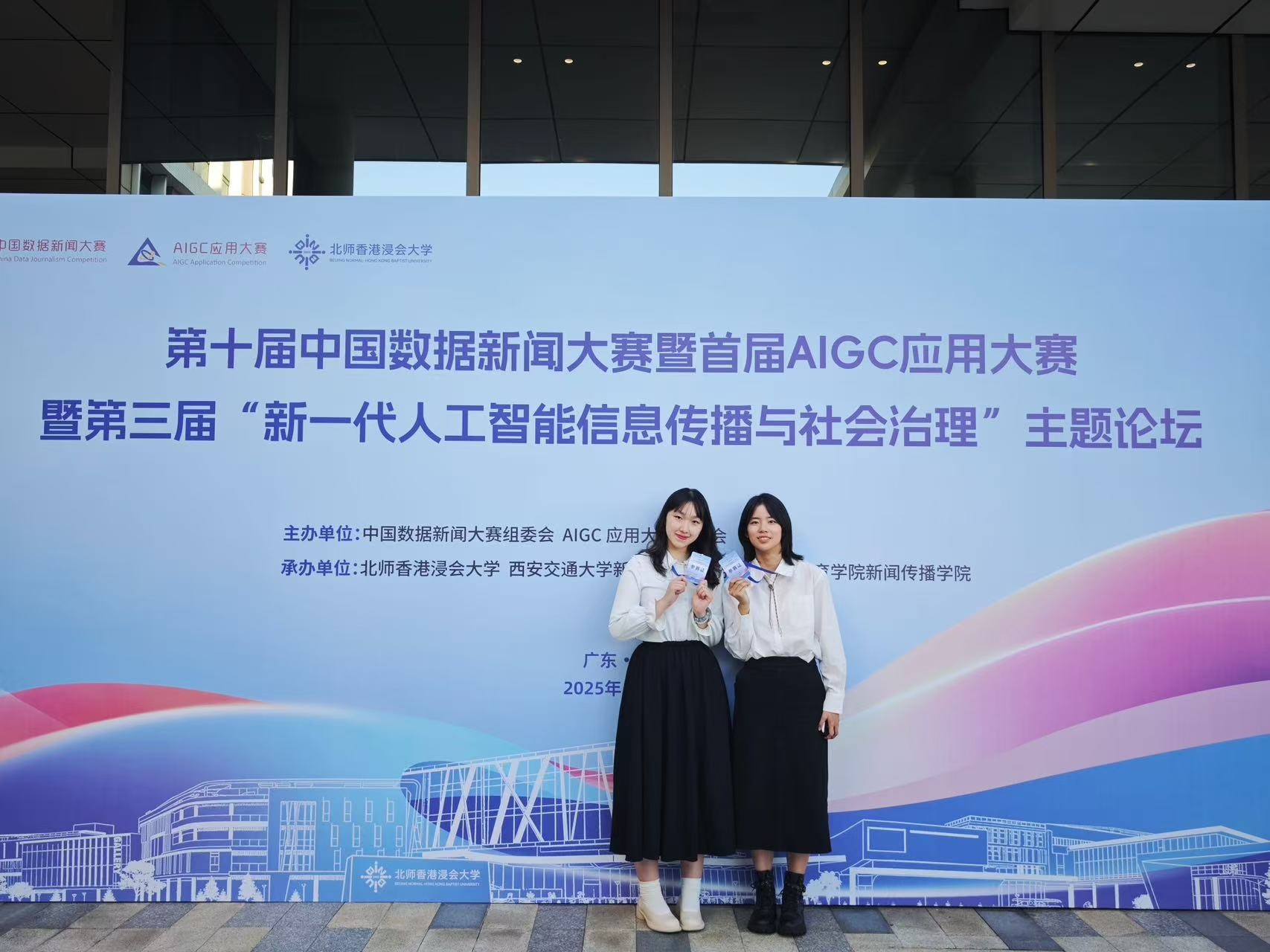
As we prepared this project, we mastered methods for sourcing and integrating multi-source data, strengthened interdisciplinary knowledge, and deepened our understanding of the value of data journalism: using warmth to humanize cold data and technology to bring out depth, said team leader Yang Xi.
National Third Prize
The 'Invisible Medical Record' of Cancer Patients' Families
Authors: Jiang Shan, Yang Xinyu, Cai Yuru
The work focuses on the often-overlooked group of cancer patients' families. Through multidimensional data integration and visualization, it reveals the psychological burdens, caregiving pressures, and life challenges they face. The work gives tangible form to these invisible medical records, allowing the public to see the resilience and hardship of this group.
Team leader Jiang Shan said, Winning the national third prize makes us very happy. For us, the competition is less about rivalry and more about expressing ourselves fully and exploring our potential.

Though small in size, the team displayed remarkable synergy. As roommates, we were perfectly aligned throughout topic selection and production, they shared. During the process, the team not only completed a work they felt was meaningful, but also deepened their understanding of the topic selection. Moving from initial curiosity about the lives of caregivers to the desire to help more people recognize their struggles, they experienced for the first time the transformation from wanting to know to enabling others to know. Jiang Shan sees the value of the competition as telling the stories we truly care about in the way we love. Standing out among submissions from many universities not only affirms their creative abilities but also serves as the most precious reward for the journey of dedication and teamwork behind the work.
National Third Prize
Traps, Chains, and Defenses: How Far Are We from Ending Telecom Fraud?
Authors: Huang Qihan, Kang Yuning, Yang Xi
With data as the brush and pressing social issues as the canvas, this work presents a piece of visualization-driven news on telecom fraud. Team leader Huang Qihan explained, Telecom fraud has been occurring frequently in recent years, affecting people all around us. There is an urgent need to popularize anti-fraud knowledge in a more intuitive way. Such themes, supported by real data and closely tied to public interest, is particularly well-suited for data journalism. The team members aggregated and filtered data from multiple sources, including the National Bureau of Statistics of China and the China Internet Network Information Center, selecting only the most relevant information to maximize the work's news value.
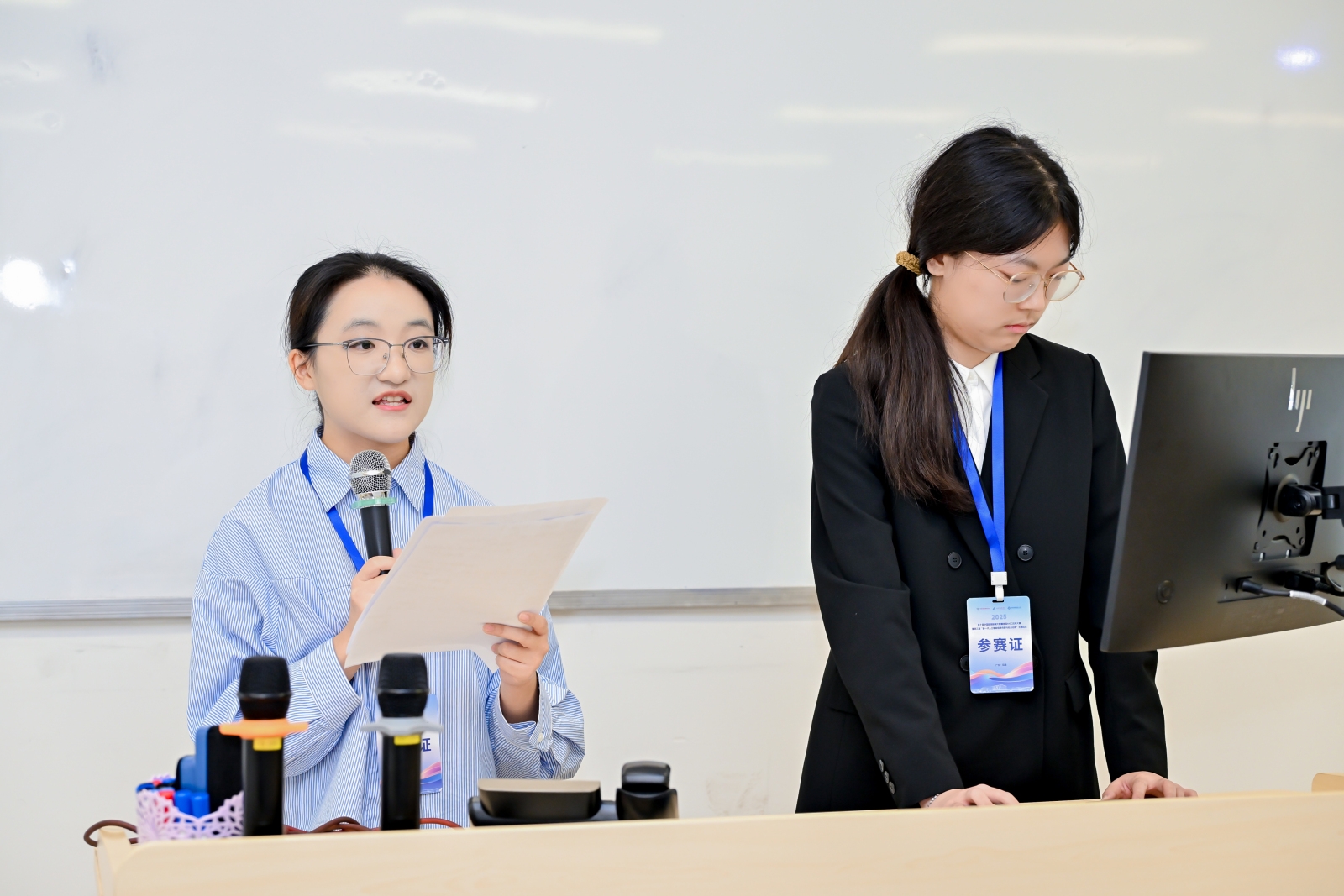
For the team, winning this award has made all the days spent brainstorming, data mining, and repeated revision shine with newfound significance. The members said, In the future, we will continue to delve into data journalism, producing work that conveys meaningful value with both warmth and depth.
Guidance and Expectations from Mentors Behind the Creations
Reflecting on the process of applying course theory to competition projects, mentor Yu Mengli noted, The challenges students most often face fall into two main areas: the completeness and reliability of data, and the logic and pacing of storytelling. At times, in their pursuit of novel topics, they overlook data accessibility and credibility. To address this, he guides students back to the essence of data journalism, emphasizing the importance of drawing data from authoritative statistics, public records, or open APIs to ensure a solid analytical foundation. During the data-cleaning stage, he introduces essential tools to strengthen students' data management skills. In crafting narratives, he emphasizes data-driven storylines, ensuring that the work is both persuasive and resonates with readers.
Mentor Li Weijia believes that producing data journalism requires director's mindset - organizing the underlying logic of data to weave scattered information into an engaging and insightful story. Whether using dynamic charts to illustrate trends, infographics to analyze complex relationships, or interactive designs to enhance audience engagement, the focus must remain on helping the audience understand the data. In addition, controlling the rhythm of the presentation is essential - balancing the level of detail in the data with the flow of the story to avoid information overload that could distract the audience.
When mentoring competition works, both instructors follow an integrated teaching approach combining coursework, creation, and competition. Students systematically learn the entire process from topic planning, data scraping and analysis to visualization and interaction design, laying a solid foundation in both theory and practice. During competition season, instructors provide tailored guidance for each work, strengthening students' narrative ability along a data timeline and improving the final presentation. Through the deep integration of coursework and hands-on competition, students not only enhance their technical proficiency but also truly grasp the core spirit of telling good stories with data.
Both mentors stressed that data journalism education is not merely a skills-training process but also a vivid practice in the development of new liberal arts. It broadens students' perspectives and enhances their thinking and expression as they engage with real-world issues, while also encouraging mentors to continually reflect on how to offer better guidance and innovate in their teaching. Moving forward, they will continue to advance the teaching model of competition-driven learning, learning-based creation, and creation-grounded practice, enabling more Nankai students to tell Chinese stories through data journalism and to showcase NKU's spirit and character.
With data as the brush and passion as the ink, the team of NKU School of Information and Communication deepen their commitment to responsibility and innovation over eight months. This honor marks not an end but a new beginning. May the students continue to empower their expression with expertise, convey warmth through insights, and reach new heights in the field of data journalism.