To further enhance the quality of undergraduate education and establish a teaching research and exchange platform for frontline faculty, the School of Information and Communication held four consecutive teaching competency enhancement workshops from the spring to autumn semesters of 2025. Professor Chen Na, Vice Dean of the School, served as the workshop facilitator. The sessions focused on structured teaching,problem-based inquiry (PBI), pedagogical content knowledge (PCK), and classic teaching models. Through systematic, modular professional coaching and experience sharing, the workshops provided comprehensive support for faculty to strengthen their teaching skills and enhance classroom effectiveness. More than 30 young teachers from both within and outside the School participated in the series of workshop activities.
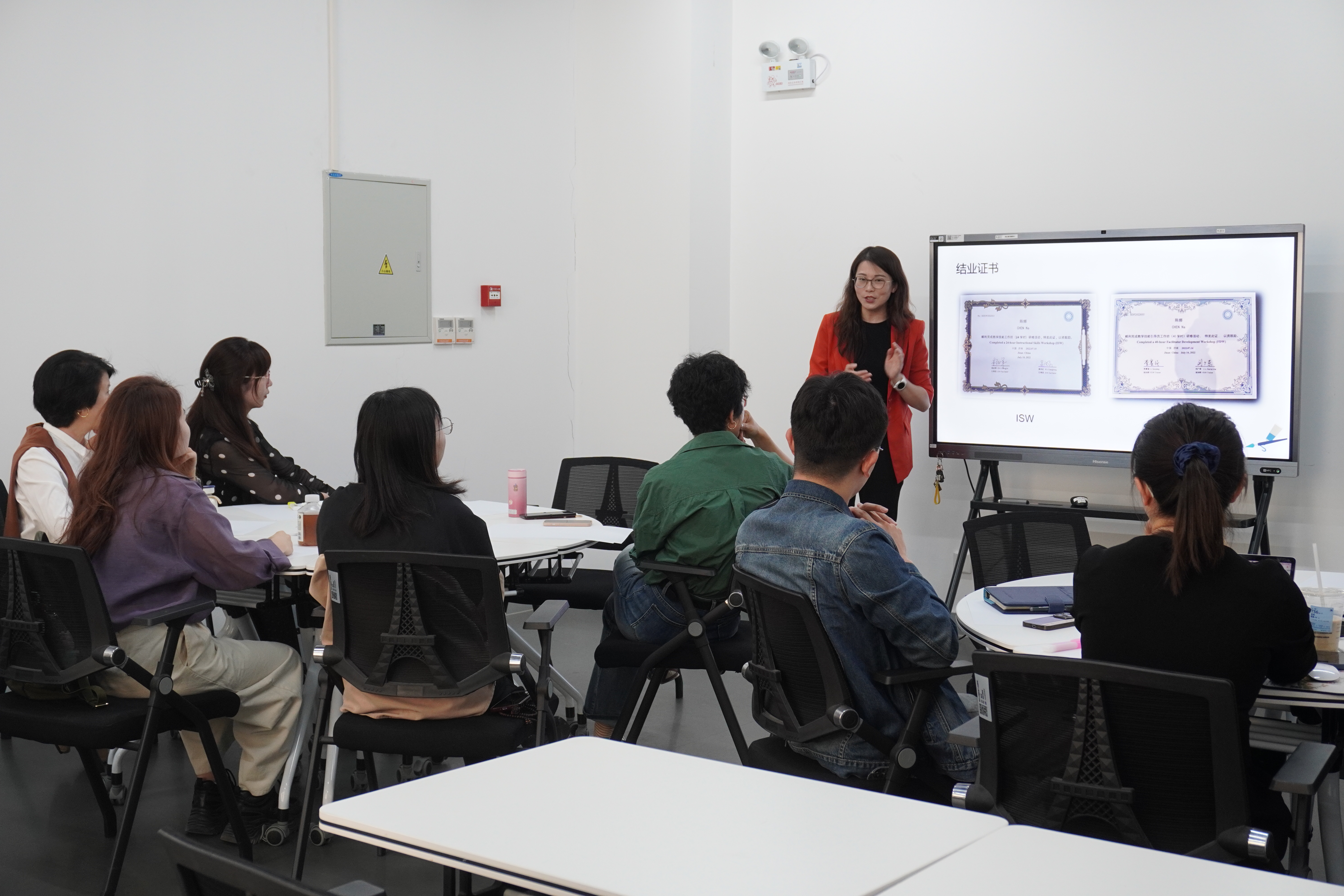
Session 1: The BOPPPS Model – The Art of Structured Teaching
On April 29, 2025, the first workshop, themed The Philosophy and Application of the BOPPPS Model, systematically introduced the six-step teaching method comprising Bridge-in, Objectives, Pre-assessment, Participatory Learning, Post-assessment, and Summary. Through group collaboration and micro-lesson design exercises, participants learned how to move from disconnected delivery to purposeful and effective teaching, achieving well-structured lesson design and fostering deep student engagement.
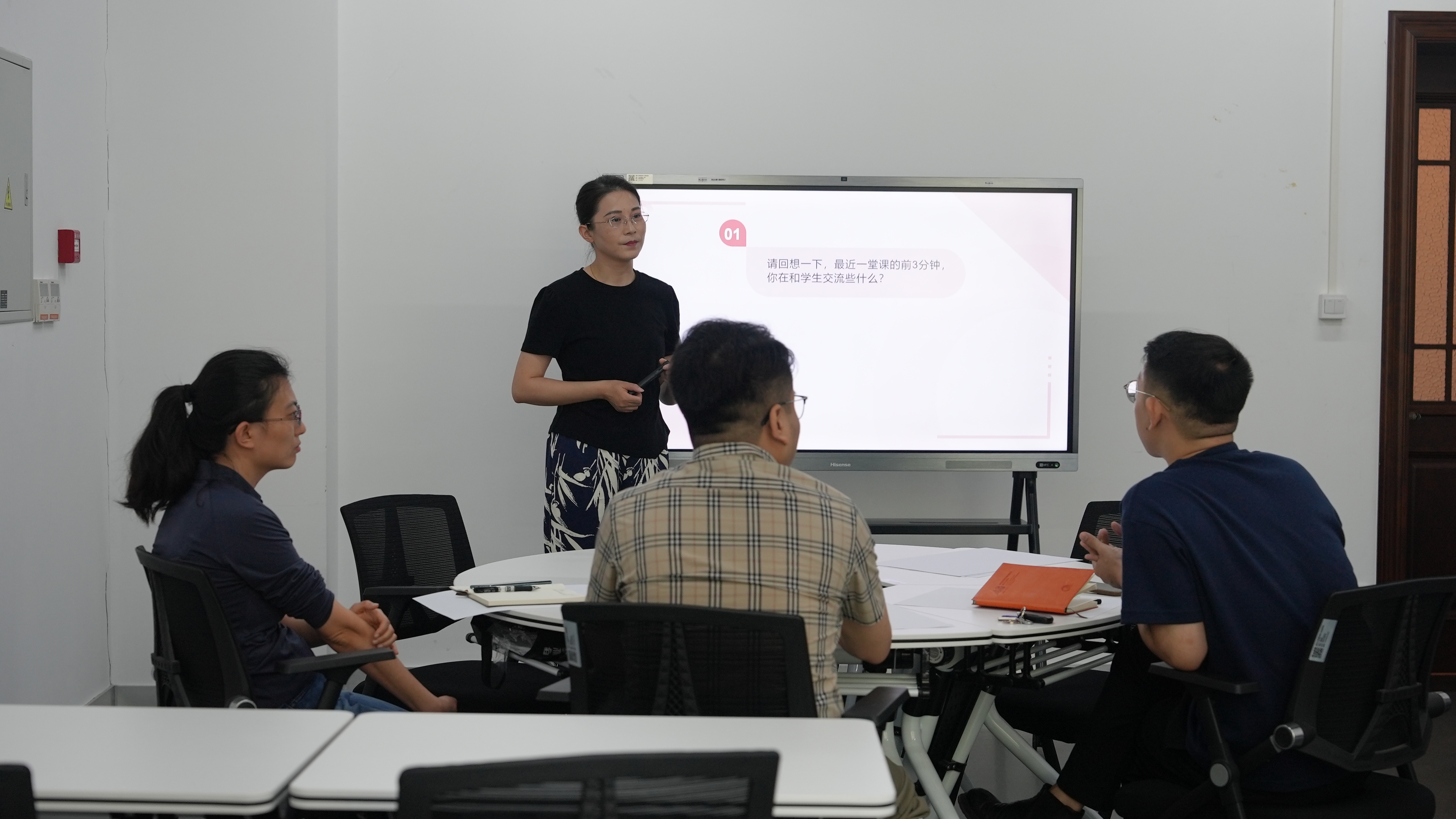
Session 2: Problem-Based Inquiry (PBI) - Activating Thinking Through Inquiry
On May 13, the second workshop, centered on The PBI Concept and Application, guided teachers to shift from a knowledge-driven logic to a question-driven one. Through case analysis and practical exercises, participants learned how to use high-quality questions to stimulate student thinking, foster a classroom atmosphere of emotional engagement and intellectual excitement, and transition from the role of lecturer to that of facilitator.
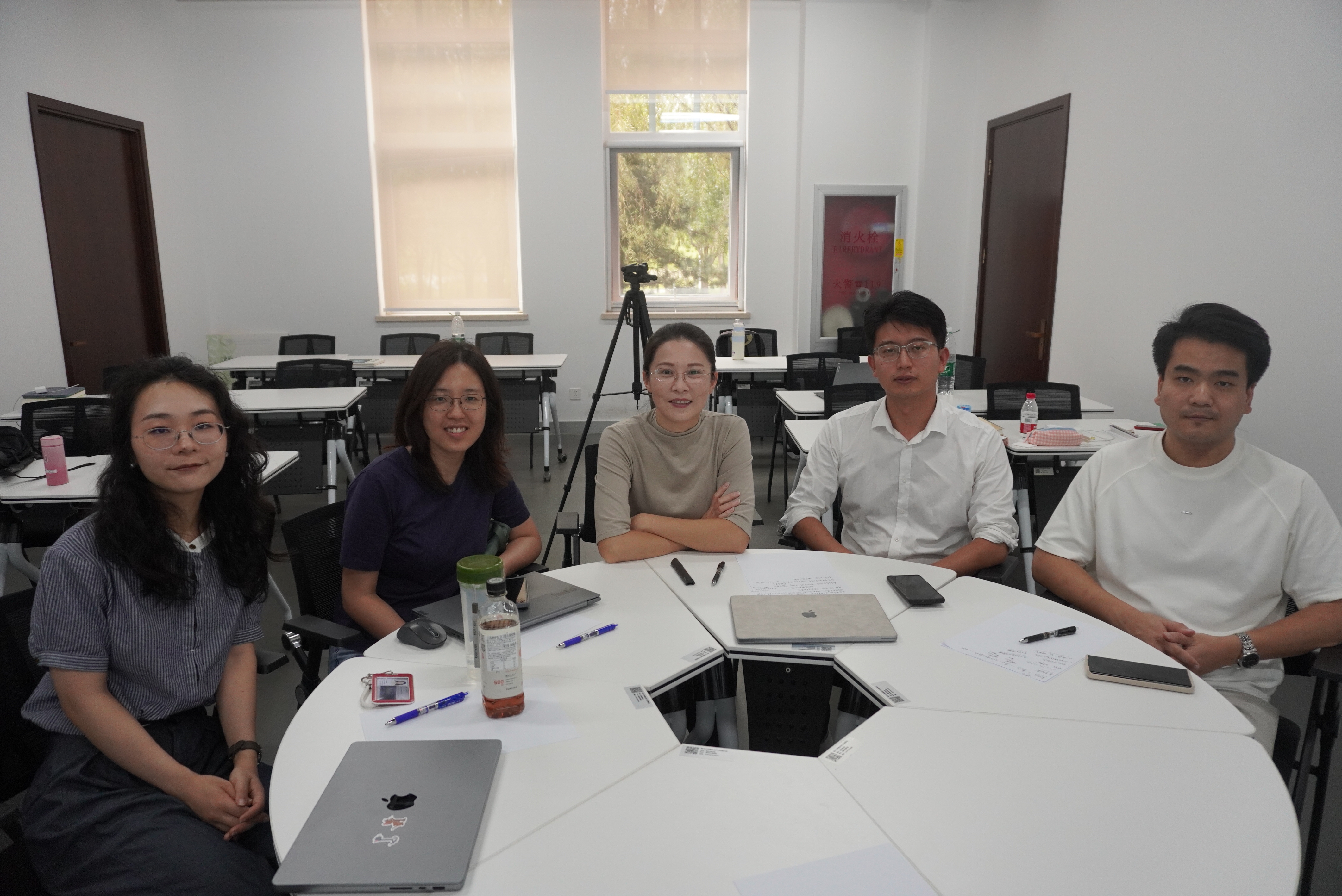
Session 3: The Magic of PCK - The Key to Transforming Subject Experts into Skilled Educators
On September 16, the third workshop focused on Pedagogical Content Knowledge (PCK), exploring how teachers can translate disciplinary knowledge into forms accessible to students. Through examples such as the information cocoon, teachers recognized that PCK is not merely the integration of Content Knowledge (CK) and Pedagogical Knowledge (PK), but a reflection of instructional insight and knowledge-transformation ability - the distinguishing element between a subject expert and a teaching expert.
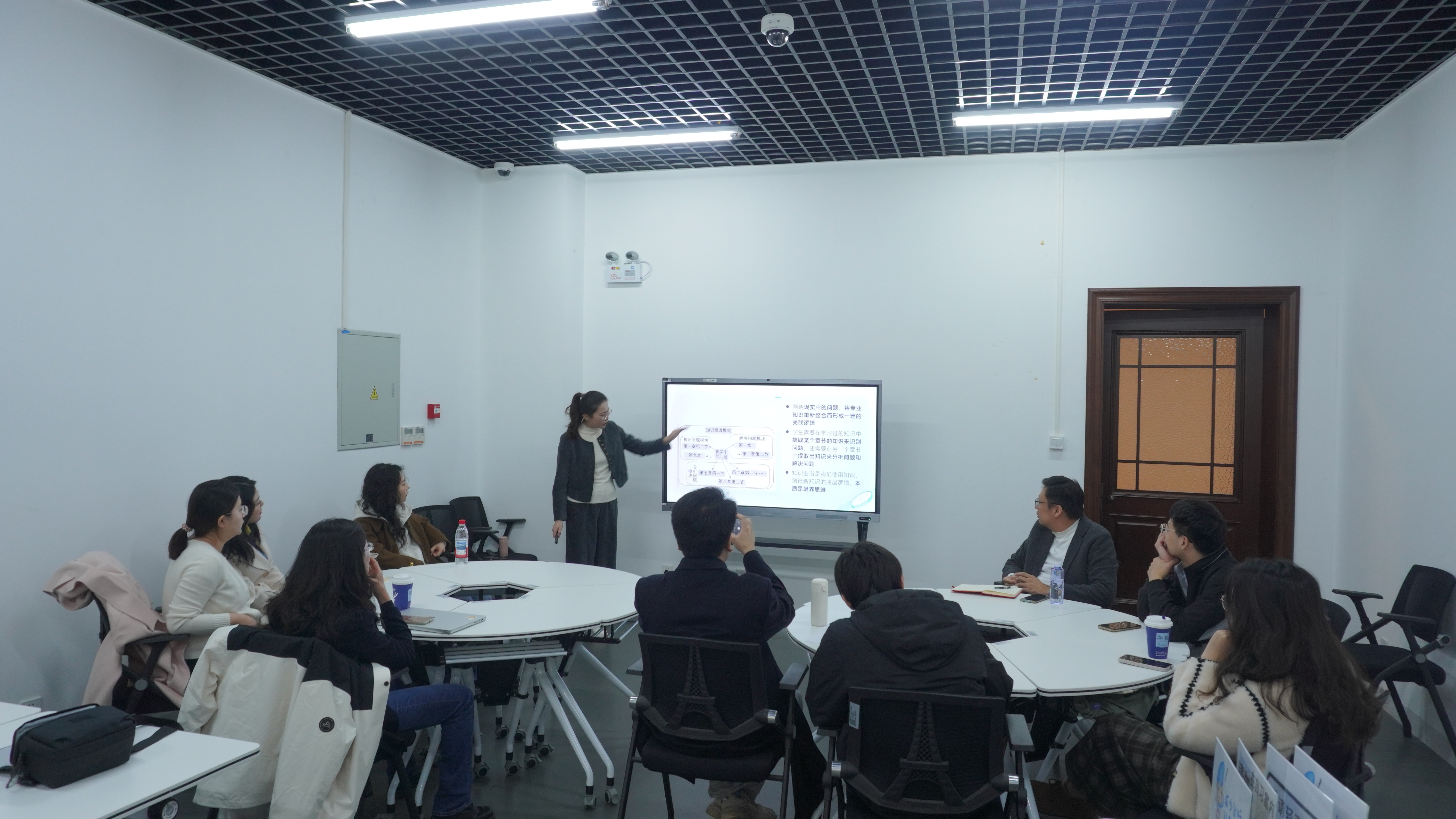
Session 4: Analysis of Classic Teaching Models - High-Impact Logic for Empowering the Classroom
On October 31, the fourth workshop provided a systematic review of various classic teaching models, including WHERETO, GRASPS, O-AMAS, P-MASE, 5E, and 5P, guiding teachers toward becoming expert-level practitioners rather than experience-based instructors. Through model comparison and teaching design exercises, participants learned how to flexibly select and integrate instructional models based on course objectives and student characteristics, thereby advancing from a focus on what to teach to a focus on what students learn.
The four workshops not only addressed key aspects such as teaching methods, lesson design, knowledge transformation, and model application, but also adopted multiple formats, including thematic coaching, group collaboration, micro-lesson demonstrations, and experience sharing. These approaches promoted a threefold transformation in teachers' mindsets, methods, and practices: a shift from how to teach to how students learn, from fixed knowledge to teaching responsive to real learners, and from being able to teach to being clearly understood.
As a flagship activity of the School's Year of Enhancing Undergraduate Education and Teaching Quality, the workshops, through systematic and sequenced professional training, not only reinforced the faculty's fundamental teaching skills but also stimulated internal drive for instructional innovation. They laid a solid foundation for developing high-quality courses and cultivating exemplary teachers in the new liberal arts, further advancing the teaching reform of integrating ideological and political theories in all courses and driving overall improvements in undergraduate teaching quality.